Powered by Blogger.
Showing posts with label Recovery. Show all posts

How to Incorporate More Vegetables in Your Diet

For the college athlete, vegetables and fruits play an important role. Damage and inflammation occur in the body due to exercise and the main way to fight that inflammation is to incorporate more anti-inflammatory foods. Fruits and vegetables are highly anti-inflammatory and should be incorporated on a daily basis. In fact, the athlete has a higher demand for certain vitamins and minerals on top of the need to fight inflammation and therefore, there is a higher recommendation for fruit and vegetable consumption (at least 7 cups a day of fruits and vegetables combined). Most people love fruits and have no issues incorporating them into their daily routine, whether it be in a smoothie, as a snack or as a sweet ending to a meal. However, many struggle with how and where to add all those vegetables.

                
Here are some healthy ways to incorporate more vegetables in your daily routine:

  • For breakfast, add vegetables to your omelette such as spinach, red peppers, onions, mushrooms, tomatoes, etc.
  • If having a breakfast burrito, consider adding salsa.
  • If having a smoothie consider adding things like carrots, beets, kale, spinach, celery, etc. My favorite juice is 50/50 100% orange juice and 100% carrot juice, yum! (note; any smoothie with vegetables needs to have a good balance of fruits as well or else it will taste kind of yucky).
  • Use vegetables as part of your daily snacking for example: carrots and hummus, celery and peanut butter/cream cheese, bell peppers and cottage cheese, tomatoes and Greek yogurt or just a vegetable mix (baby carrots, cherry tomatoes and cucumbers)
  • When making sauces such as tomato sauce add more vegetables to it, for example: saute onion, garlic, zucchini, squash and eggplant and then add the typical tomato sauce you use. That makes for a richer, tastier sauce
  • Use vegetable rich soups such as minestrone and salads as an appetizer. 
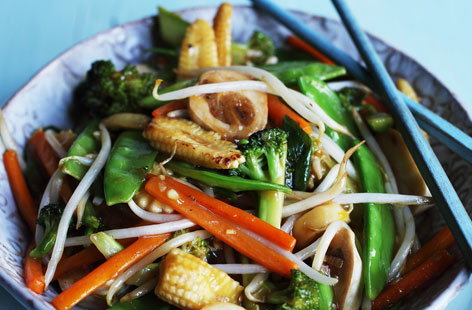
  • Try to create a meal based on vegetables. Consider even going meatless for one day. Examples to try: vegetable stir fry, vegetable lasagna, big salad.
                   
  • Have a side of salad each meal. Make sure you have variety so you do not get bored.
  • What ever vegetable you like, take 2-3 servings of it instead of 1. Example: if you like broccoli, have 2 cups of it, not just one.
  • If you like grilling, make sure you always grill some vegetables, whether they are in kabob form or not. See some ideas on previous blog or on Eating Well .
  • Always have cut up vegetables visible so that you will always be reminded they are there and they can be a good grab and go option.
  • Use shredded or pureed vegetables for things like muffins, cakes, meatloaf, meat balls, breads, casseroles, etc. Example of vegetables you can use: sweet potato, zucchini, carrots. Here is a zucchini, carrot apple muffin recipe.
  • When having pizza, make sure you sprinkle more vegetables such as spinach, onion, mushrooms, etc.
  • When you go to a party or dinner be the one that brings the vegetables. Typically that's the one thing lacking from a party.
  • If you are tired and don't feel like cooking, microwave frozen veggies. They are quick and easy. In fact, it's the best "fast food" around.
  • If you enjoy using the slow cooker, almost everything done in it can have added vegetables. Example: add carrots, peppers and squash to your chili. 
  • Stuff vegetables. Example: make stuffed peppers with meat and rice, stuff tomatoes with cauliflower mash and pesto, Stuff mushrooms with garlic, etc. 
  • Add diced vegetables to your tacos.
All vegetables can be incorporated whether fresh, frozen or canned. I am positive there are far more many ways but these healthy ways are all simple and doable. They can help get any athlete to the 7 cups a day recommendation of vegetables and fruits.  Here are some easy recipes to help get you going.

Nutrition for Recovery

Athletes invest time, effort and money in their sport. They buy cloths, shoes and gear that is necessary for them to excel. But, how much do they invest in their recovery plan?! Yes, recovery is also stretching, foam rolling and ice baths but what about nutrition for recovery?

The main purpose of nutrition for recovery is replenishing glycogen stores, repairing and rebuilding muscle as well as re-hydrating in order to get to the next practice like new (the 3 Rs).
Fueling for recovery does change based on the intensity and duration of your workout as well as when your next workout will occur. For example: Someone that has football practice in the morning for 1.5 hours and then a 1.5 hour lifting session in the afternoon will need to put a little more effort in fueling for recovery versus someone that ran for 60 minutes and will play tennis in 2 days. Athletes that rest 24 hours or more between sessions, do not have to put emphasis on nutrient timing when it comes to glycogen, withstanding they consume enough carbohydrates throughout the day.

                Recovery Nutrition is a Science


  • Refuel (=replenish) - The main source of fuel utilized during exercise is carbohydrate. Carbohydrates are stored in the form of glycogen in the muscle and liver and these stores are drained the longer the activity is or the higher the intensity. Therefore, we need to replenish those glycogen stores, especially if there are multiple practices or tournaments in the same day. Refueling should start within 30-45 minutes after exercise. It is recommended to consume 1-1.5 gr/kg of carbohydrate every 2 hours up to 4-6 hours post activity (1 kg = 2.2 lbs. Example: 154 lbs=70 kg - Will need to consume 70-105 grams carbohydrates every 2 hours for up to 4-6 hours post exercise or until eating a meal).
  • Rebuild - Exercise causes damage to the working muscle. Protein is the main nutrient that helps repair the damage and rebuild the muscle (muscle protein synthesis). Protein should be consumed within 2 hours of activity to promote a greater muscle growth. Combining protein with carbohydrate post workout has shown to enhance recovery. Recommendations for protein are 6-20 grams within 2 hours of activity.
  • Rehydrate - During exercise we can lose quite a lot of fluids in the form of sweat. Sweat is not just contrived of water but also multiple electrolytes, mainly sodium, potassium and chloride. Therefore, to recover optimally we need to rehydrate with fluids and electrolytes. The best way to rehydrate properly is weighing yourself before and after practice. For each pound lost, drinking 16-24 oz is recommended. Hydrating throughout the day well, makes rehydrating for recovery much easier. Eating salty snacks and drinking a sports beverage could be a good way to help replenish some of the electrolytes lost.
Simple, right?! However, some people may have a hard time eating something post exercise. In that case, drinking could be an option. In fact, one of the best recovery drinks out there is chocolate milk. It has a combination of whey and casein (fast absorbed and slow absorbed high quality protein respectively), good amount of carbohydrates and its a liquid containing electrolytes. Win win! 
Research also suggests the best ratio of carbohydrate to protein for recovery should be 2:1-4:1, chocolate milk is 3:1. 
Other recovery options can be: 
  • Yogurt with strawberries
  • Milk and a banana
  • Protein bar, water and a fruit
  • Fruit smoothie
  • Turkey and cheese sandwich with a sports beverage
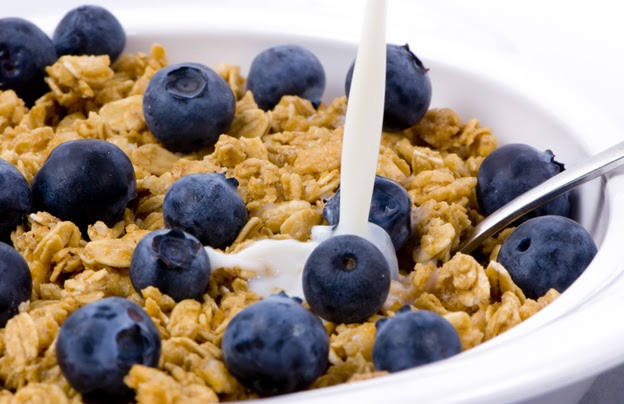
  • Cereal with milk and blueberries
It is also important to mention that part of a good recovery plan includes sleep. For more info on sleep refer to previous Sleep  blog.

Investing in recovery is as important as the time you invest in training so remember to refuel, rebuild and rehydrate to achieve optimal recovery 


Protein for Performance

Athletes literally brutalize themselves during workouts and training sessions. This makes nutrition extremely important for optimal performance, recovery and muscle rebuilding. Both hydration and carbohydrate are important for exercise adaptations and recovery, but it is also important to recognize protein.
            

Protein recommendations for athletes are in the range of 1.2 - 1.7 grams (g) of protein per kilogram (kg) of body weight a day (1 kg = 2.2 lbs) or 0.54 - 0.77 g/lb a day. Recommendations for endurance athletes would be on the low end at 1.2 - 1.4 g/kg (0.54 - 0.64 g/lb) of bodyweight and 1.5 – 1.7 g/kg (0.68 - 0.77 g/lb) for strength and power athletes. For example, an endurance athlete weighing 160 lbs (72.7 kg) would need approximately 87 - 102 grams of protein per day, whereas a 200 lbs (90.9 kg) bodybuilder may require 136 - 170 grams of protein per day. These recommendations may change as some current and emerging research suggests protein requirements may actually decrease in well-trained individuals due to a greater efficiency of dietary nitrogen utilization.

While there are several types of protein, whey protein may be the best choice after a workout. According to Dr. Stuart Phillips, whey protein is more effective than both soy and casein in promoting anabolism (muscle growth) in the fed-state or following exercise. This is due to the high leucine content – a branched chain amino acid – which is a trigger for activating muscle protein synthesis. But when it comes to post workout protein needs, more is not always better. In fact, several studies suggest 20 grams of whey protein (8.6 grams of essential amino acids) is sufficient for most athletes to maximally stimulate muscle protein synthesis. Older athletes may require as much as 40 grams of protein post exercise (16.8 grams of essential amino acids) to maximally stimulate muscle protein synthesis.

Protein consumption before or after exercise is important, but consuming high quality protein spaced evenly throughout the day may be just as essential for optimizing muscle protein synthesis. Throughout the day our bodies go through periods of muscle protein breakdown and muscle protein synthesis. Only when protein synthesis exceeds breakdown, does the growth of muscle mass occur. Therefore, it is important that athletes consume 4 to 5 equally spaced protein containing meals throughout the day versus the typical breakfast, lunch and supper regimen. It is recommended that each meal contains 0.25 - 0.30 g/kg protein. Using our previous example, our 160 lb endurance athlete should aim for 18 – 22 grams of protein per meal and our 200 lb bodybuilder should aim for 23 -27 grams of protein per meal. A protein containing small meal, such as Greek yogurt, prior to bed is also recommended to improve post exercise overnight recovery.

It is highly recommended to choose lean proteins such as: chicken, turkey, fish, lean parts of beef and pork, Greek yogurt and legumes (beans, lentils and chickpeas). In addition, chocolate milk is a great source of whey and could be used as a recovery drink post exercise (20 oz will provide 20 grams protein).

There is no one size fits all approach when it comes to individualized sports nutrition regimens. So always make sure to consult with a sports dietitian to ensure your nutrient needs are met for optimal performance, recovery, and muscle repair. 

Guest blog by: Gavin Van De Walle; SDSU dietetic student and personal trainer

Nutrition for the Injured Athlete

We talk all the time about nutrition for performance and nutrition for recovery but there is not much talk about nutrition for injury. Is there even a specific regimen for the injured athlete?!
Unfortunately, there is not much research out there on the injured athlete so we don't have a specific regimen, however, we do have some knowledge and recommendations to help heal faster and get back in the game sooner.

Injury has 3 healing phases:

  1. Inflammation - occurs immediately up to 2-5 days post injury
  2. Proliferation -  occurs 5 days - 3 weeks post. During this phase there is rebuilding and repairing 
  3. Maturation - occurs 3 weeks - 2 years (depending on severity of injury). During this phase there is remodeling to a stronger structure
If the injury is serious we may not be able to immobilize which in turn will cause less muscle building, muscle loss, decrease in strength and of course decrease in performance.  
Nutritionally, we divide recommendations to 2 phases: 
  1. Injury and immobilization - during this phase most of the muscle loss occurs
  2. Rehabilitation - during this phase exercise is re-introduced in the form of therapy and advanced to full practice when able
Nutrition recommendations during Injury and immobilization (= inflammation and proliferation phase of healing):
  • Energy (kcal) - demands of energy are slightly higher in order to assist with the healing processes. If injury is severe, energy expenditure can go up by 20%. If on crutches, energy expenditure can be 2-3 times higher than walking. Sometimes, a small weight gain is beneficial because with out enough calories we can prevent muscle protein synthesis (building muscle)
  • Protein - During the immobilization phase we lose muscle which then causes us to lose strength. Protein helps us build and repair, therefore, are needs for protein are higher. Although we do not have an exact number of grams/lb we need per day, we assume its more than the DRI (dietary reference intake) which is 0.8 grams/kg (0.35 grams/lb). Some research suggests we need close to 1-1.2 grams/kg/day (0.45-0.55 grams/lb/day). Since the majority of us eat more protein than we need this should not be an issue
  • Carbohydrates - When we exercise, carbohydrates are our main source of energy. However, when injured, we don't need as much, therefore, we may decrease carbohydrates slightly to prevent excessive weight gain. Sports beverages, gels, sodas and concentrated sweets are highly discouraged during this time
  • Fats - very essential for healing. What type of fats is most important. Omega 3s (found in fatty fish as well as certain seeds/nuts) have been found to possibly help increase muscle protein synthesis (building muscle) as well as help with recovery and decreasing inflammation
  • Vitamins and minerals:
               * Vitamin C - Helps with wound healing, tissue repair and increased immune function. Foods rich in vitamin C include: citrus fruit, strawberries, red bell peppers, watermelon, etc.
               * Vitamin A - Helps with cell growth and development as well as immune function. Foods high in vitamin A include: sweet potatoes, tomatoes, carrots, papaya (orange/red fruits and vegetables)
               * Zinc - Helps with wound healing, protein synthesis and immune function. Foods rich with zinc include: beef, almonds, seeds (sunflower, flax, pumpkin, etc.) and seafood
               * Vitamin D - Important for bone health and immune function. The sun vitamin - get 5-30 minutes of sun between 10 AM - 3 PM (time is based on skin color, the darker the skin the more time you need) or it can be found in dairy products, fatty fish or fortified foods
                      
  • Fluids - fluids are needed in order to deliver the different nutrients to the different organs and tissues. Moreover, its needed to support joints and soft tissues. Roughly, you should be drinking half your weight in ounces, preferably water. 
Nutrition during rehabilitation phase
We treat this phase as we were to treat someone who does strength and conditioning. We put emphasis on enough energy and protein as well as healthy fats and plenty of vegetables and fruits. More on strength and conditioning nutrition in a future blog.

There are also foods/beverages that can prevent us from healing optimally, which we should avoid:
  • Fried fatty foods (example: pizza, fried chicken, french fries, etc.)
  • Added sugars and concentrated sweets (soda, candy, ice-cream, etc.)
  • Being malnourished (more common in elderly but applies to people that restrict eating a lot)
  • Less than optimal sleep (athletes should sleep 8-10 hours/day)
  • Alcohol - it inhibits muscle protein synthesis and increases muscle loss 
So, if you or any of your friends get injured, remember to also focus on nutrition to help speed your healing and recovery! Food always comes first and if need be, consult a sports RD or a sports MD for supplement recommendations.


Soccer Nutrition

As you might have noticed, the world cup just started and it seems as though everyone is watching.
It took enormous amounts of training to get there and now it will take a lot to stay at the top. One of the more important ways to stay at the top, besides good players of course, is nutrition and rest. For those who don't know, only 2 teams brought their dietitian with them to Brazil. Team USA and the team from Italy (you can read more about what they are doing here). Therefore, I thought it would be appropriate to talk about sports nutrition strategies in soccer.

Soccer has a combination of endurance exercise and intense short burst sprints. Professional players that play most of the game, may cover up to 10-13 km (6-8 miles) with multiple sprints in between. Therefore, the main source of energy they utilize is carbohydrate. Athletes who do not consume enough carbohydrates and are insufficiently hydrated will not be able to train and/or compete at high intensities and will likely experience premature fatigue. 
Our nutrition strategy will focus on pre-during-post- activity:

Pre-activity/game nutrition depends on how soon my activity is:
Pre-activity meal (3-4 hours before):
-          High in carbohydrate
-          High in lean protein
-          Low in fiber and fat
-          12-20 fl. oz (e.g., milk, juice, sports drink)
Example:  Grilled chicken, brown rice, corn, green beans, salad and vanilla pudding.

Pre-activity snack (30-60 minutes before)
-          30-60 grams of easily digestible carbohydrate
-          Moderate in protein
-          Low in fiber and fat
-          5-16 fl. oz (e.g., water, sports drink)
Example: Banana & peanut butter, yogurt & small amount of granola, cereal & milk, granola bar, etc.

During activity depends on length of activity and whether you have one session or more per day:
 If activity is less than 60-90 minutes and that is the only session of the day:
-   hydrate with 5-10 oz of water every 15-20 minutes.
 If activity is more than 60-90 minutes and/or you have multiple sessions a day:
-          Drink 5-10 oz of fluid every 15-20 minutes (preferably a sports drink)
-          Consume 30-60 grams of carbohydrate every hour (by drinking or eating)
-          During half-time (or similar break), eat a simple carbohydrate snack with limited amount of protein, low in fiber and fat
-          Consume snacks that contain sodium (salt)  
Example: Banana, pretzels, crackers, beef jerky and/or a sports drink.

Post activity/Recovery
Recovery starts fairly close to when you finish your activity; therefore, within about 30-45 minute,
- focus on protein and carbohydrate foods and/or drinks. 
Example: Chocolate milk, Greek yogurt and a banana, recovery shake
Post-activity meal (1-2 hours after)
-          High in whole grain carbohydrates
-          High in lean protein
-          Good amount of fiber and fats
-          16-24 fl. oz (e.g. chocolate milk, smoothie, sports drink, water)
Example: 6”-12” sandwich with turkey, cheese & vegetables, trail mix, and oatmeal cookie.

Note - if you will have a meal within an hour post activity/game a recovery drink is not needed. However, if you are not hungry right after and there may be some time before your next meal, a recovery drink is important.

For hydration recommendations please refer to our previous post on that topic.

Remember, the right hydration and nutrition plan can really be a game changer, so make sure you fuel appropriately for your sport pre, during and after activity.

GO TEAM USA!
ole, ole, ole, ole, ole, ole .................... 


Hydration, Hydration, Hydration


Summer is just around the corner and with it comes warm weather and training more outdoors. More time outdoors and training in the heat may cause dehydration and/or heat related issues.  Therefore, this summer, lets focus on hydrating for performance and preventing injuries related to dehydration.

To stay well hydrated we should rely mainly on fluids but we can also rely on foods.  Eating things like fruit, vegetables, soups, smoothies and yogurt can help replenish some of those fluids. Especially summer fruits and vegetables like: watermelon, peaches, nectarines, melons, grapes, cucumbers, sweet bell peppers, tomatoes, summer squash and berries. These fruits and vegetables not only have a good amount of fluids but they contain plenty of antioxidants to help us recover from our activity, stay healthy and maintain a strong immune system.

The most efficient way to stay hydrated is drinking water or a sports beverage. How much and what you need to drink depends on genetics, the length and intensity of the activity as well as if you are a heavy and/or salty sweater. Make sure you arrive to your training session/game well hydrated or else you may not even last half of it. Activities that are 60-90 minutes ideally should be replenished with water. If your activity is more than 60-90 minutes you should hydrate with a sports beverage. Try to reach for your beverage every 15-20 minutes and drink about 5-12 oz. The ideal sports beverage should have 110-170 mg of sodium, 20-50 mg of potassium and 12-24 grams (6-8%) of carbohydrates per 8 oz.

How much fluid should I drink after activity? Weigh yourself before and after activity (ideally with minimal amount of cloths), for each pound you lose hydrate with 16-24 oz. If you are a salty sweater (characterized by the following: your sweat stings in your eyes or burns when reaches an open cut, you tend to leave white lines on things like hats and shirts, your skin feels gritty after a run and it actually tastes salty) make sure you also add simple salty foods to the equation not just a sports beverage (pretzels, crackers, etc.). You can also have a sweat test done (a test that can tell you how much sodium and fluids you lose in an hour of exercise) in order to provide you with an exact regimen of how much you need to drink as well as how much sodium you need.
    
To make sure you are hydrated, it’s important to know what the signs and symptoms of dehydration are. Signs and symptoms of dehydration include:  elevated heart rate, headache, reduced sweating, muscle cramps, dark urine, small urine volume, chills, clammy skin, nausea, vomiting, may cause heat related illness – e.g heat exhaustion, heat stroke (For more info on heat exhaustion and heat stroke visit http://www.cdc.gov/nceh/extremeheat/warning.html).
A urine scale is commonly used to check level of hydration. The rule we try to stick to is that it needs to be more like lemonade versus apple juice   


Whether its for fun or practice, make sure you hydrate well this summer!
Here are some ways to help you stay hydrated:

  1. Drink throughout the day
  2. Carry a full water bottle with you at all times
  3. Drink 1-2 cups of water before each meal
  4. Drink 2-3 cups of fluids before each practice/activity
  5. Drink 1-2 cups of water before you go to bed
  6. Drink every 15-20 minutes during practice/exercise
  7. Avoid hydrating with energy drinks or caffeinated beverages
  8. Depending on activity level, consider eating salty snacks as they will cause you to drink
 Drink up!


Alcohol and Performance

Alcohol is the most abused recreational drug in society and is the one most used by athletes. It is well known to cause poor judgement, decreased reaction time and decreased fine motor skills which is why we don't drink and drive. In addition, it effects our heart function, our ability to regulate body temperature and it can cause hypoglycemia (low blood sugar).

Research states that 88% of intercollegiate American athletes use alcohol. Moreover, collegiate athletes are much more likely to binge drink compared with non-athlete students. It's speculated that maybe the competitive behavior of athletes is not just on the court or field but also in social activities, such as drinking.

So, what can alcohol do to performance? Lets go over some facts:

  • Athletes that drink alcohol once per week have been shown to have twice the risk for injury. 
  • Moderate alcohol consumption has been shown to lower force production.
  • Chronic alcohol use can cause substantial weight gain. Which in turn can slow you down.
  • Alcohol use can decrease aerobic ability as well as decrease sustained power output. In fact, one study showed that drinking 24 hours before an event caused 11% decrease in performance which could be the difference between being first and last.
  • Alcohol hurts recovery by interfering with muscle protein synthesis (building and repairing muscle) as well as glycogen re-synthesis (restoring our glycogen stores so that we have stored fuel for exercise). One study showed that even if you consumed alcohol with protein after exercise you would still have lower rate of muscle protein synthesis.
  • Alcohol can interfere with our ability to regulate core temperature, therefore, lowering our ability to tolerate training no matter what the temperature is (even in an air-conditioned facility).
  • Alcohol influences our psycho-motor skills which means it can decrease balance, reaction time, visual search and recognition, memory as well as accuracy of fine motor skills. Now imagine a quarterback that has all these problems.
  • Alcohol shortens our time in deep sleep (REM). Lack of deep sleep causes a decrease in performance as well as a decrease in human growth hormone (HGH) secretion. HGH helps us build and repair muscle. (Stay tuned for a blog on how sleep effects performance in the near future).
  • Alcohol is a diuretic (promotes production of urine) which means it can cause dehydration. Dehydration in turn can cause a decrease in performance.
  • Alcohol may continue to effect your performance 2-5 days after you drink, depending on how much you drank.

If you're an athlete that wants to improve PR, excel and/or win, you must think about what you are willing or not willing to do. Make sure you fuel right for performance and limit or avoid alcohol. Since social interaction with friends many times includes alcohol, be smart about it and consider following the American College of Sports Medicine (ACSM) guidelines:
"Pre-event - Avoid alcohol beyond low-amount social drinking for 48 hours.   
Post exercise - Re-hydrate first and consume food to retard any alcohol absorption"

Cheers! 

Refueling


In sports, there is always an emphasis on the importance of pre-workout, pre-game, and pre-race preparation. Obviously, we want our bodies to be as well equipped as possible (by sleeping, hydrating, and eating properly) to compete at the highest level against our competition. Although, I wonder if athletes understand how crucial post-workout, post-game, and post-race refueling is. After workouts and competitions it is vital that the body is replenished with the right foods and fluids in the correct way. Here are three quick tips to refueling…

1) Carbohydrate to Protein Ratio (4:1)

*Refuel with foods that are four parts carbs to one part protein. After exercise carbs can be more easily stored as recovery fuel and protein allows the body to rebuild what it loss.
*Examples include: chocolate milk, peanut butter with a banana, fruits and nuts.

2) Replace Fluids Lost

*Drinking 16-24oz of adequate fluids for every pound lost during working out. For those of you out there who don’t weigh yourself before and after your workouts… follow a simpler rule: Pee till it’s a pale yellow color (lemonade).

3) 30 Minutes

*It is key that athletes begin to refuel and rehydrate no longer than 30 minutes after working out. The longer athletes wait to refuel the longer it takes to recover. Getting something in the body ASAP after exertion will allow for increased storage.

Guest Blogger: Krista Creager, nutrition student at South Dakota State University

Chocolate Milk and the Athlete

Chocolate milk has been making headlines for some time now about it being the "athlete's drink." But do you really know why? 

Before we dive into that too much, let's review a little what happens when we exercise. In our bodies, protein is constantly being built and broken down. This is called protein turn-over. A side effect of an exercise bout is the breaking down of proteins. Exercise causes some tissue damage and requires a little repair. Not only do you need the protein, but your carbohydrate stores need to be replenished as well. This is why there is a recommendation to eat a carbohydrate/protein snack post-exercise. The term "recovery snack" makes more sense now, doesn't it?


So what makes chocolate milk so special? Cow's milk is considered to be a high-quality protein because it contains all of the essential amino acids. Essential amino acids are those that are body cannot produce and must be taken in through the diet. It also contains more carbohydrates (cho) per serving when compared to regular white milk. 

In a study led by the University of Connecticut, they examined chocolate milk consumption with endurance athletes and how it affected protein balance, glycogen, and performance. Runners were asked to complete a 45 minutes exercise. After that, each runner was given either chocolate milk (cho+pro) or a sweetened beverage (cho only). 

At the end of the study, they found that the runners who drank the chocolate milk had greater protein synthesis and less protein breakdown than those who drank the sweetened beverage. Both drinks were able to maintain glycogen (cho) storage. 

This study, along with others, show that it takes BOTH protein and carbohydrates to properly recover from exercise. Chocolate milk is a convenient (and tasty!) way to get the nutrients your body is craving. Remember- a recovery beverage should be consumed within 30 minutes of exercise to see the full effects.

Reference: 
Lunn, W. R., Pasiakos, S. M., Colletto, M. R., Karfonta, K. E., Carbone, J. W., Anderson, J. M., & Rodriguez, N. R. (2012). Chocolate milk and endurance exercise recovery: protein balance, glycogen, and performance. Medicine and Science in Sports and Exercise, 44(4), 682-691.

Recovery foods: What to choose? Review of the research.

Often people wonder if buying a commercially engineered sports food (drinks, gels, bars, etc) is better for you when compared to regular food to aid in muscle recovery from exercise. If it is packaged to say so, it must be right? 

Well some of those products do work, but they are not necessarily better. They may be convenient, but they do not contain any magic ingredients that cannot be found in foods you regularly purchase. A study was done comparing a carbohydrate-electrolyte beverage (sports drink) and a bowl of cereal with nonfat milk. The objective of the study was to determine what, if any, difference the two foods had on muscle recovery from exercise. 


This study recruited eight male and four female cyclists or triathletes. The athletes rode a bike for two hours. Immediately after the ride, a muscle biopsy was done on the subjects (ouch!). Then the subjects were given either the sports drink or the cereal with nonfat milk. They waited an hour and another muscle biopsy was done. The researchers found that both increased glycogen in the muscle, but only the cereal significantly increased muscle proteins. 

Whole foods, like the cereal and milk, are a great option for muscle recovery and are often less expensive. 

Reference:
Cereal and nonfat milk supports muscle recovery following exercise by Lynne Kammer, Zhenping Ding, Bei Wang, Daiske Hara, Yi-Hung Liao, and John L. Ivy