Powered by Blogger.
Showing posts with label Cooking. Show all posts

Falls' Savory Squash

Summer is out, fall is in. With fall comes an array of fantastic vegetables and fruits. The vegetables most associated with fall are pumpkin, squash, or anything orange for that matter. Pumpkin can be saved for October.

There are many types of squash but the ones I would like to talk about are considered winter squash: acorn squash, spaghetti squash, butternut squash, delicata squash, sweet dumpling squash, buttercup squash and ambercup squash. Although they are considered winter squash, their season actually starts end of summer beginning of fall. They can last for a fairly long time due to their thick rind.


Nutritionally, squash is low calorie, contains complex carbohydrates, high in fiber and rich with vitamins and minerals. It's a good source of Vitamin A, Vitamin C, magnesium and potassium as well as other B vitamins and minerals. Vitamin A is a potent antioxidant that helps us fight certain cancers and it is also helps maintain good and healthy vision as well as healthy skin. Vitamin C is an antioxidant that helps us keep a healthy immune system, is involved in wound healing and tissue repair and helps fight inflammation. Magnesium takes part in many reactions in the body including: keeping normal muscle, immune and nerve function, bone health and many more. Potassium helps maintain fluid and electrolytes in the body. All those qualities make squash an amazing vegetable!

Here are some great recipes for each kind:
- Acorn squash - Roasted acorn squash soup
- Butternut squash - Butternut squash, caramelized onion and spinach lasagna
- Spaghetti squash - Spaghetti squash Greek style
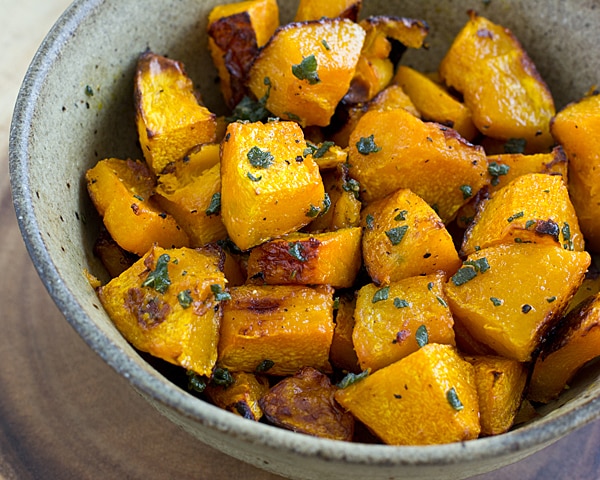
- Ambercup squash-  Roasted Ambercup Squash

Ingredients:
Ambercup squash cut into cubes or 1.5" slices
2 Tbsp olive oil
1/4 tsp sea salt
Pinch of pepper1/4 tsp garlic powder
2 tsp of fresh rosemary

1. Heat oven to 400 degrees F
2. Spread aluminum foil on a oven tray
3. Mix squash with oil, pepper, garlic powder in a bowl and stir
4. Spread squash on tray
5. Spread rosemary on squash
6. Bake until soft and golden (about 40 minutes) and serve

Delicata squash - Garlic delicata
Buttercup squash - Roasted buttercup squash quesadillas
Sweet dumpling squash - Baked sweet dumpling squash

No matter what squash you choose you can use any of these recipes. All you need is to pick one at the grocery store and start experimenting. I promise, you will not regret it. Squash is a great addition to any athletes plate.


Eggplant is in Season

Once in a while I like choosing a vegetable that not many people are familiar with that's in season. I do it because a varied diet is very important just like a varied training program is. In addition, vegetables are packed with antioxidants (compounds that help us fight "toxins" in the body) as well as other important minerals and vitamins. I don't want you to miss out, especially if you are avoiding it because you have no idea what to do with it.

Today I chose one of my favorite vegetables, the eggplant. Egg what?! Yes eggplant.


Eggplant, also called aubergine, is a night shade vegetable originally from India (eggplant is actually classified as a fruit but we treat it like a vegetable). It comes in multiple shapes and colors but the most common one in north America is dark purple and oval shaped on the outside but cream colored on the inside. It is used in many cuisines including: Italian, Indian, Turkish, Greek, Thai and more. Eggplant is eaten cooked, not raw.

Nutritionally it is low in calories and carbohydrates, fat free and cholesterol free. It is a very good source of fiber and contains a phytonutrient called Nasunin that's located in the peel of the eggplant. The peel also contains phytonutrients called anthocyanins. Nasunin and anthocyanins are potent antioxidants that help us fight inflammation and some cancers as well as help us protect multiple cells including brain cells and heart cells. Eggplant is a good source of potassium, manganese, copper and several B vitamins. B vitamins are important for metabolism and the minerals help with multiple functions in the body including bone health, electrolyte balance and wound healing just to name a few.
Eggplant can be used as an appetizer, side dish or even as part of the main dish. Here are some ideas of how to experiment with this fantastic vegetable:

Baba Ganoush - Middle Eastern eggplant spread

Ingredients
1 Medium size Eggplant
2 Tbsp Tahini Paste
1 tsp Minced Garlic
2 Tbsp Lemon juice
Salt & Pepper for taste
2 Tbsp Cilantro chopped fine (Garnish)

1. Heat oven to 450 degrees F. Cover eggplant with aluminum foil and bake until completely soft (20-25 minutes). Alternatively you can roast on the grill (about 10 minutes) until soft and peel is charred. If roasting on the grill, aluminum foil is not needed (for the smokey flavor).
2. Let cool for 15-20 minutes.
3. Cut eggplant in half lengthwise and with a spoon take out all the pulp and move to medium bowl.
4. Depending how smooth you like it, you can smash the pulp with a fork or put in the food processor for a smoother texture.
5. Add the tahini, garlic, lemon juice, salt and pepper to the eggplant pulp and stir.
6. Garnish with cilantro and serve.
Note; this tends to taste even better after it sits in the fridge for a while. Serve with crackers or pita bread.

Here is a great eggplant parmesan recipe

Baked Eggplant - A tasty and easy side

Ingredients
2 Eggplants cut into rounds
2 Tbsp Olive Oil
3 Tbsp of Fresh Rosemary (can use 2 Tbsp dried)
0.5 tsp Kosher Salt
0.5 tsp Pepper
1 tsp Garlic Powder

1. Heat oven to 375 degrees F.
2. Spread eggplant on baking sheet.
3. Brush the eggplant with oil
4. Sprinkle the rosemary, salt, pepper and garlic evenly as you can
5. Bake until soft and brown (about 20-30 minutes)
6. Serve as a side for fish, steak or chicken

Press here for more easy eggplant recipes.

Make sure that next time you go to the grocery store you pick yourself an eggplant and try one of these tasty recipes. Feel free to post here how it came out.
Happy Eating!


Spice It Up!

As human beings we get stimulated by using our senses. When it comes to food, we use seeing, smelling and tasting. In fact, it's just enough for us to smell something good to start salivating and feel hunger. Whether you like cooking and experimenting in the kitchen or enjoy trying new foods, spices are a great way to get those senses going. In addition, spices have many beneficial properties that can help us fight inflammation post exercise and protect us from different risk factors such as diabetes, heart disease and cancer.
             

Below are four examples of great anti-inflammatory spices, what their potential benefits are and where we can add them:

  • Cayenne pepper - A part of the capsicum family. Made from dried ripe fruit of the red pepper. Used topically and orally. Contains an active ingredient called capsaicin. Capsaicin is a very potent anti-inflammatory. Orally, it has been shown to be effective for mild indigestion. Topical application has shown promise in helping with pain relief, arthritis, skin disease and cluster headaches. Cayenne is spicy and therefore would work well with meats, chili, seafood, vegetables and Mexican food.

  • Ginger - The underground stem of a the plant that looks like a root from southern Asia. Ginger has anti-inflammatory properties. Evidence suggests that ginger may be effective in helping with nausea from multiple causes (motion sickness, pregnancy and post surgery). It has also been found to be possibly effective in treating osteoarthritis (bone disease) and high cholesterol. Ginger is great in Asian food (e.g. stir fry, sushi or vegetable curry), baked goods (e.g. ginger bread or cookies)

  • Turmeric - Also known as curcumin. Similar to ginger, it is from the underground stem of the herb Curcuma Longa. The curcuminoid compound (curcumin) is a potent anti-oxidant (helps fight "toxins" in the body called free radicals) and anti-inflammatory. Has been shown to be effective for indigestion and osteoarthritis. There are multiple preliminary studies showing cancer protective affects, less soreness post exercise, improved depression symptoms and improved blood sugar levels. Turmeric is great in Indian food, egg salad, grains, vegetables and beans.

  • Black pepper - A dried fruit from the piperaceae family. Contains an active compound called piperine. Piperine enhances our ability to absorb (bio-availability) anti-oxidants and anti-inflammatory's from fruits and vegetables. In fact, it can enhance bio-availability of curcumin by 2000%. Due to its enhancing effects pepper could help with any of the benefits mentioned above as well as enhancing the properties of the vegetables you sprinkle it on. Pepper can be used in all dishes (even in fruit).


    All these spices can help you increase your A game by helping fight inflammation caused by your activity. Moreover, it can make your food smell and taste better. So next time you are in the kitchen, make sure you spice it up!

    Happy Labor Day! 


It's Eat Your Bean Day

Today, July 3rd, is national eat bean day, so why not celebrate it by adding some beans to your diet.
Beans (a legume) are a great source of protein, fiber, minerals and some B vitamins. They are low in fat and cholesterol. Here is the nutrition information for 0.5 cup cooked beans made from dried beans (taken from "Dietitians Online"):


Although beans do not make a complete protein, when you add them to a grain (example: rice and beans, couscous and lentils, barley and chick peas, etc.) they become a full protein. These combinations can help vegetarians and vegans, that don't eat meat, eggs and/or dairy, to meet their protein needs.
Beans have been shown to help with lowering cholesterol, triglycerides and blood pressure. Moreover, they can reduce risk for heart disease, some cancers, diabetes and bone disease (osteoporosis). Since beans are packed with fiber, they help you feel fuller longer as well as help your bowels move and prevent constipation.
There are multiple vitamins and minerals in beans including: potassium, magnesium, iron, zinc, thiamine, folate, B6, manganese, copper and more. Beans also contain anti-oxidants that help fight inflammation. On top of all that, beans are also quite cheap.
With all these great benefits, no wonder some people describe beans as a "super food".So next time you go to the grocery store pick yourself a bag of beans.

Not sure what to make?! check this great recipe for soft tacos with southwest vegetables from Mayo Clinic as well as these great healthy salad recipes from Cooking Light.

Enjoy and Happy 4th!


Grilling Season is on Its Way

This up coming Sunday, June 15th, is fathers day. What better way to celebrate fathers day with a good old BBQ meal (lunch or dinner).
Grilling is a great way to eat healthier as it eliminates a lot of the fat found in other cooking methods such as frying and pan frying. Moreover, it gives food this great smokey flavor that makes anything taste better.
To help assist build a complete & healthy grilled meal My Plate shall be our guide.


For healthy protein we can use: fish (salmon, walleye), chicken breast, loin or sirloin of beef/pork
For healthy grains we can choose a starchy vegetable: grill corn on the cob, grilled sweet potato or just make some brown rice.
For healthy vegetables we can grill up some asparagus, zucchini, summer squash and onions or create vegetable skewers. Cheese can also be added in skewers (ex: halumi, mozzarella)  
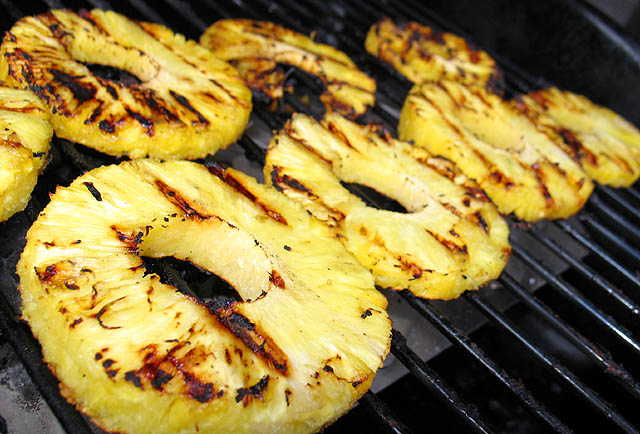
For healthy fruits we can have a fruit salad or even grill some pineapple with cinnamon.
Before you start grilling, make sure you clean the grill well. You can do so buy taking half an onion and running it over your hot grill before putting anything on it. Make sure you do the same when you are done as well.

Here are some recipes:
This recipe of Grilled Trout is from Cooking Light website

Ingredients
1 Tbps of fine sea salt
2 tsp of sugar
4 (7 oz) dressed rainbow trout
cooking spray 
1/4 tsp black pepper
2 (1oz) bunches dill sprigs
2 limes thinly sliced

Grilled Trout Recipe

  • Preparation
  • 1. Combine 2 cups water, sea salt, and sugar in a shallow dish; add fish. Let stand 20 minutes. Drain.
  • 2. Prepare charcoal fire in a chimney starter; let coals burn until flames die down. Pour hot coals out of starter; pile on one side of grill. Coat grill grate with cooking spray; put grate in place over coals.
  • 3. Sprinkle 1/4 teaspoon salt and pepper over fish flesh. Divide dill and lime slices evenly among fish cavities. Coat outside of fish with cooking spray. Place fish over direct heat; grill 4 minutes. Turn over; move to indirect heat. Grill 12 minutes or until done

  • This recipe is for grilled vegetables:
  • Ingredients
    1 zucchini cut into round circles
    1 summer squash cut into round circles
    1 medium red onion cut into thick pieces
    1 cup of cherry tomatoes
    1 cup small mushrooms
    2 Tbsp olive oil
    1 Tbsp garlic powder
    1 tsp sea salt
    Fresh rosemary
    Pepper

    Preparation
    1. Mix all vegetables together with oil, salt, pepper, garlic powder and rosemary. Let sit for 15-20 minutes
    2. Take as much skewers as needed and start putting vegetables on each skewer in a variety.
    3. Place skewers on direct heat. Grill for 5-10 minutes. Turn over and
    grill 5-10 minutes or until done
  • For dessert you may want to use this great pineapple recipe (clean the grill before you put the pineapple in order to prevent meaty taste and contamination):

    Ingredients
    1 medium size pineapple cut into circles or chunks
    1 Tbsp cinnamon

    Preparation
    1. Sprinkle cinnamon all over pineapple
    2. Place pineapple with cinnamon directly on the grill.
    Grill for 5-10 minutes or until done

  • There you have it! Grilling like a pro with My Plate.
  • Happy Fathers Day!  

Whats all that grain about?!

Knowing the difference between whole grain, multigrain, and refined grains is an important step in making sure your diet consists of healthy complex carbohydrates to give you long-lasting energy.


Whole grains are healthier for you than processed and refined grains because they are a complex carbohydrates rather than a simple sugar, helping you to control blood sugar, reduce cholesterol and maintain a healthy weight. Consuming whole grains may help reduce the risk of heart disease and certain cancers, as well as help with weight management. Whole grains contain all parts of the grain kernel – the bran, germ and endosperm, which provide B vitamins, folate, iron, fiber and other minerals. B vitamins play a key role in metabolism and energy release, folate helps form red blood cells, and iron is used to carry oxygen in the blood. Whole grains also contain magnesium and selenium. Magnesium helps bone development as well as muscle contraction and selenium helps with oxidative stress and inflammation.


Multigrain products contain a mix of grains, such as wheat, oats, barley or cornmeal, although none of them may necessarily be whole grains. The grains may have been processed or refined, therefore reducing the nutritional value. The refining process removes the bran and germ from the grain, making it less rich in helpful vitamins and minerals. Products may be “enriched,” but it doesn't make up for the natural parts of the grain.
Examples of healthy whole grains include: whole –wheat flour or pasta, oatmeal, rolled oats, whole cornmeal, brown or wild rice, quinoa, bulgur, buckwheat and even popcorn. Look for products that list the first ingredients as “whole” vs "enriched". 
USDA states on their website that "foods that are labeled with the words "multi-grain", "stone-ground", "100% wheat", "cracked wheat", "seven-grain or "bran" are usually not whole grain products".

To help get you started with some whole grain goodness here is a recipe for cold quinoa salad

COLD QUINOA SALAD
Servings: 4

Ingredients: 
1 cup cooked quinoa
1/2 a yellow or red pepper diced
1 cup of cherry tomatoes cut in half
1/2 cup of dried tomatoes sliced
1 cup diced cucumber
1/2 cup diced black olives
1/2 cup fat free feta cheese
1/4 cup of fresh basil 
2 Tbsp olive oil
4 Tbsp of lemon juice
Salt and pepper per preference 
1/4 cup Diced scallions

Directions
Place the first 8 ingredients in a large bowel and mix
Add oil, lemon, salt and pepper to the mix
Serve and enjoy with a garnish of scallions

For more recipes go to http://www.choosemyplate.gov/healthy-eating-tips/sample-menus-recipes.html

Bon Apetit! 


Contributed to this blog - Intern Brooke Kinney


Trouble making a grocery list?

Eating a variety of foods will help ensure you are meeting your vitamin and mineral needs.
Here are some suggestions to add to your "usual" grocery list.

Protein
  • chicken breasts
  • sliced turkey
  • canned tuna
  • lean ground beef
  • eggs
  • peanut butter
  • canned beans
  • nuts
Carbohydrates
  • bread, bagels, and English muffins
  • cereal
  • rice, pasta
  • potatoes
  • corn, peas
  • crackers, pretzels, popcorn
  • snack bars
Dairy
  • milk
  • yogurt
  • cheese
  • cottage cheese
Vegetables
  • tomato or V8 juice
  • tomato sauce
  • salsa
  • frozen mixed vegetables
  • carrots
  • broccoli
  • onions
  • garlic
Fruits
  • apples
  • bananas
  • oranges or orange juice
  • pineapple
  • pears
  • peaches
  • raisins
Other
  • olive or canola oil
  • butter
  • jam, jelly, honey
  • salad dressing
  • salt and pepper
  • cinnamon

Kitchen Essentials

College is a fun time and is full of a lot of change. For many, it will be living on your own for the first time. Do you need a little help knowing what to stock in your kitchen? Being more prepared will only make it easier to cook at home, which helps make healthier choices and save money.


For the small kitchen:
  • 2 microwave safe mixing bowls: 1 large and 1 small
  • 9"x9' baking dish
  • 2 sharp knives: 1 paring knife and 1 larger knife for chopping, dicing, etc.
  • Liquid and dry measuring cups
  • Measuring spoons
  • Cutting board
  • 1 wooden spoon
  • 1 rubber spatula
  • Can opener
  • Bottle opener
  • Small hand grater or electric chopper
  • Aluminum foil
  • Plastic wrap
  • Resealable plastic bags
  • Sponge
  • Colander
  • Paper towels
  • Pot holder
For the full-sized kitchen:
  • All small kitchen items, plus:
  • 10" non-stick fry pan
  • 2 or 3 quart saucepan
  • Vegetable steamer
  • Toaster
  • Dishes, glasses, silverware 
Guest Blogger: Alyssa Koens, USD Dietetic Intern

Recipe - Italian Broccoli

Find ways to include more dark green vegetables into your diet for optimal health!
Need to add some flavor to your broccoli? There is nothing wrong with adding a little dressing or oil to vegetables, especially if it gets you to eat them!

1 bag frozen broccoli cuts
1/2 cup Italian dressing
1/3 cup water

1. Combine all ingredients in a large skillet, cover and simmer for 15 minutes or until broccoli is tender.

The dish in combination with a grilled chicken breast, whole grain roll, and a piece of fresh fruit would make a great dinner. 

Cooking for One

Cooking for one provides a unique set of challenges because it combines eating on a budget, the amount of preparation time all while being mindful of food waste. The trick is to help you eat well at home without it taking up too much time and wasting too much money.


Cook in bulk – This is something that saves a lot of time in the kitchen. If you are going to the trouble of cooking one chicken breast, why not make 2 or 3 and have them throughout the week? You can incorporate into different recipes for variety. This is an example of what I mean:
  • Monday: Cook 3 chicken breasts. Add BBQ sauce to one and that is your dinner for Monday.
  • Tuesday: Cook pasta, add 1 chicken breast and pesto sauce and you have a completely different meal.
  • Wednesday: Chop 1 chicken breast to top a garden salad. Drizzle with your favorite dressing.